
Salesforce data migration
DATA MANAGEMENT
Salesforce data migration
As your organization grows, the volume of data it generates expands across customer interactions, operational metrics, transaction histories, and marketing campaigns. When legacy storage systems reach their limits, many organizations turn to cloud CRM solutions, with Salesforce emerging as a primary choice for scalable operations.
Transitioning to Salesforce requires careful planning and strategic coordination. Migrating your existing data correctly into your new Salesforce environment prevents operational friction and ensures you realize the full value of your CRM investment from day one.

CORE DEFINITION
What is data migration in Salesforce?
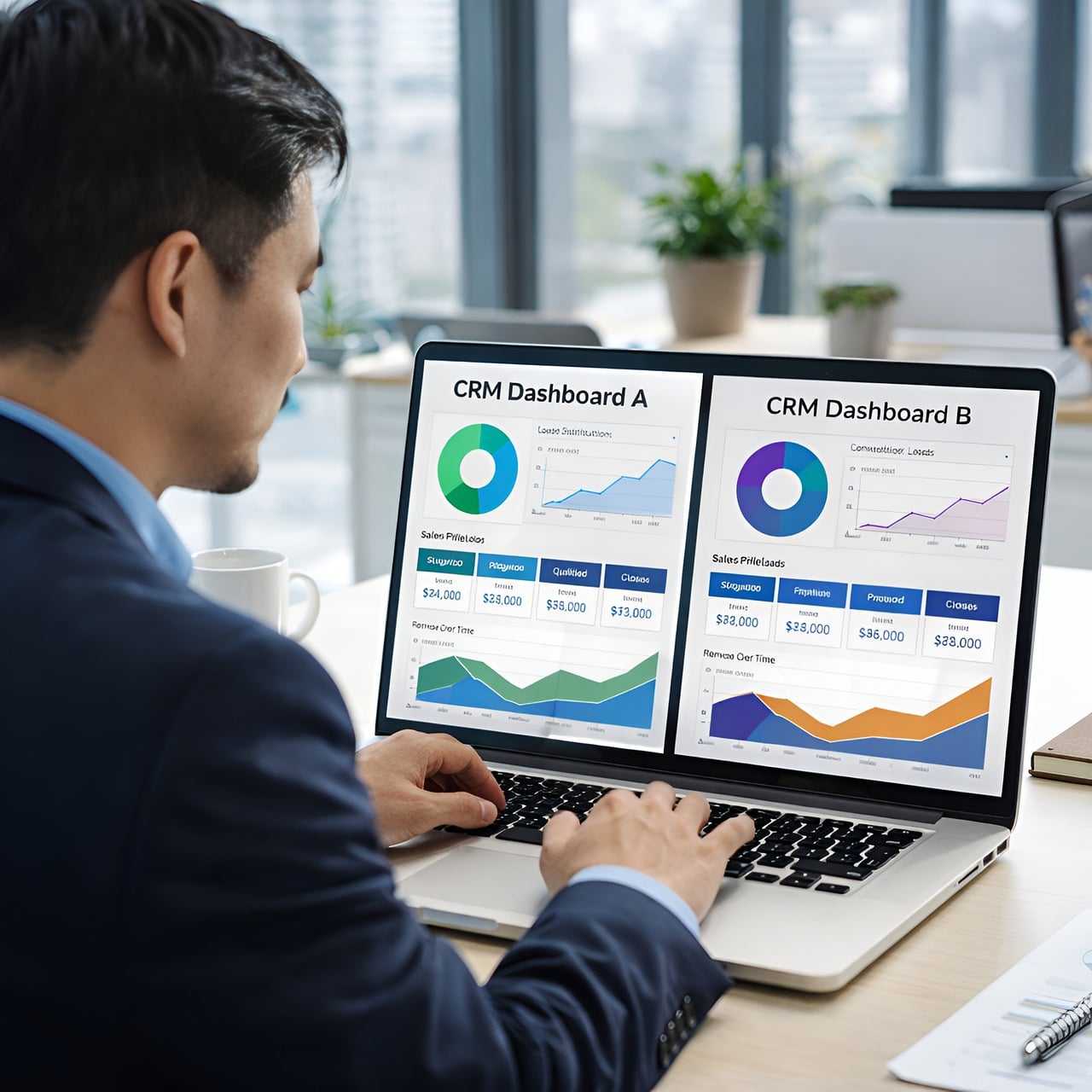
Data migration in Salesforce is the structured process of transferring an organization's existing data from legacy databases, spreadsheets, or third-party storage systems into a secure cloud environment on the Salesforce platform.
This process involves extracting records, transforming formats to match target objects, and loading data accurately so teams can operate within a unified, cloud-based infrastructure.
STRATEGIC VALUE
Benefits of Salesforce data migration
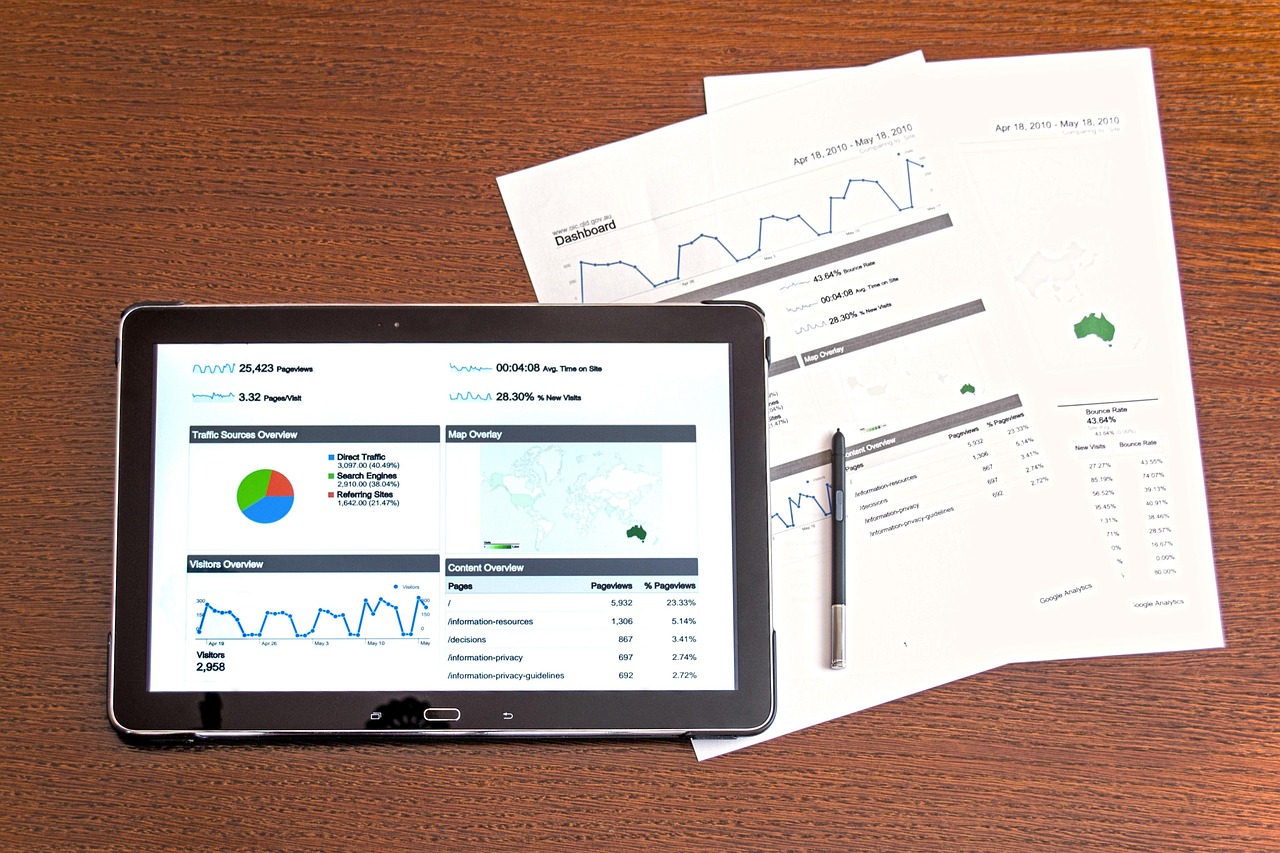
Moving your data to a modern cloud-based CRM platform unlocks significant operational advantages across your entire organization.
- Enhanced data accessibility and cross-departmental transparency
- Elimination of data silos for unified customer insights
- Improved agility and transferability of critical business records
- Access to advanced cloud computing capabilities and native Salesforce features
How to begin your data migration project
Thorough planning and structured execution form the foundation of a successful Salesforce data migration.
Before moving records, establishing a comprehensive data mapping strategy is essential. Data mapping pairs specific fields from your legacy database to their exact equivalents in Salesforce, providing a clear frame of reference for every data point throughout the transition.
A methodical approach helps maintain data integrity, prevents downtime, and aligns technical teams with business objectives from start to finish.

Planning for success
Data migration is a collaborative undertaking that requires clear communication across all affected departments. Establishing realistic timelines, accounting for data volume, and maintaining transparency about system downtime ensures that team members remain prepared and operational continuity is protected.
Key steps in the migration lifecycle
Define scope and budget
Determine what data moves, select appropriate tools, establish timelines, and allocate necessary staffing and financial resources.
Select migration tools
Evaluate native Salesforce migration utilities and specialized third-party tools suited to your specific data volume and structure.
Perform data cleansing
Fix structural errors, remove duplicates, and clear irrelevant records before migration to protect target environment integrity.
Evaluate data model
Assess your current architecture against future scalability requirements to ensure your data model supports long-term goals.
Validate and clean post-move
Run rigorous integrity checks after migration and perform follow-up deduplication to ensure absolute data accuracy.
Migration approach comparison
Compare different pathways for moving organizational data into your Salesforce environment.
| Approach | Complexity | Resource Need | Best Suited For |
|---|---|---|---|
| Manual Export and Import | Low | Low | Small datasets |
| Staged ETL Migration | Medium | Medium | Mid-sized systems |
| Custom API Integration | High | High | Complex enterprises |
FAQs

What is Salesforce data migration?
Salesforce data migration is the structured transfer of historical business data from legacy systems, spreadsheets, or alternate databases into a Salesforce cloud environment.
Why is data cleansing important before migration?
Data cleansing removes duplicates, corrects formatting errors, and discards outdated records so that corrupted or irrelevant information does not compromise your new CRM.
What role does data mapping play?
Data mapping matches fields from your original database to corresponding fields in Salesforce, ensuring records land in the correct objects and maintain relational integrity.
How long does a typical data migration take?
The duration depends on data volume, data quality, system complexity, and the number of integrated sources. Proper scoping helps define realistic timelines.
What tools are used for Salesforce migration?
Organizations often use native Salesforce utilities, data loader tools, or specialized ETL platforms chosen based on their specific technical requirements.
How do we verify data accuracy post-migration?
Post-migration validation involves running integrity checks, sample record audits, and post-move deduplication exercises to confirm all records transferred correctly.
get in touch
Let's Start a Conversation
Have a project in mind? We'd love to hear about it. Fill out the form and our team will get back to you within 24 hours.
Address
1563 McClure Woodland ca 95776
John@digitalgrowthlab.org
Phone
+1 7866924887
Response Time
Within 24 hours