
Medical imaging software development
Visual Data Solutions
Medical imaging software development
Advanced artificial intelligence and 3D technologies help healthcare providers extract maximum value from visual data. Digital medical software improves diagnostic accuracy, streamlines routine tasks, and supports clinical staff in delivering exceptional patient care.
Medical imaging is central to diagnosis and treatment. We specialize in medical image analysis software development, helping organizations build AI- and machine learning-powered solutions that enhance diagnostic precision, reduce errors, and comply with standards.
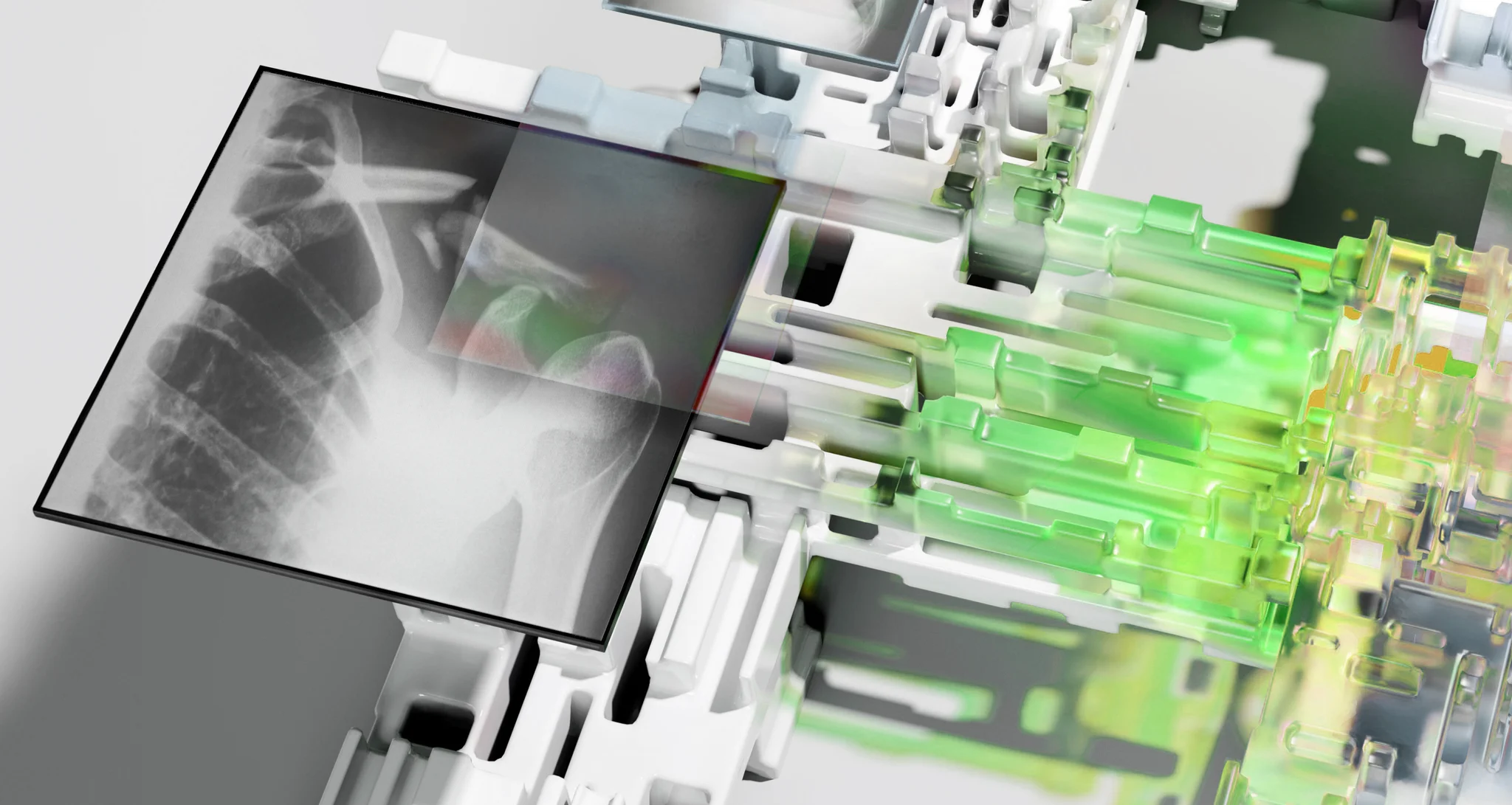
Core Capabilities
What is medical imaging software?
Medical imaging software provides healthcare personnel with clear visual data regarding patient health, enabling more accurate and timely treatments.
It combines hardware such as X-ray, CT, and ultrasound machines with specialized software for acquisition, processing, and analysis. Modern tools enhance image quality, automate abnormality detection, and integrate artificial intelligence for advanced diagnostics.
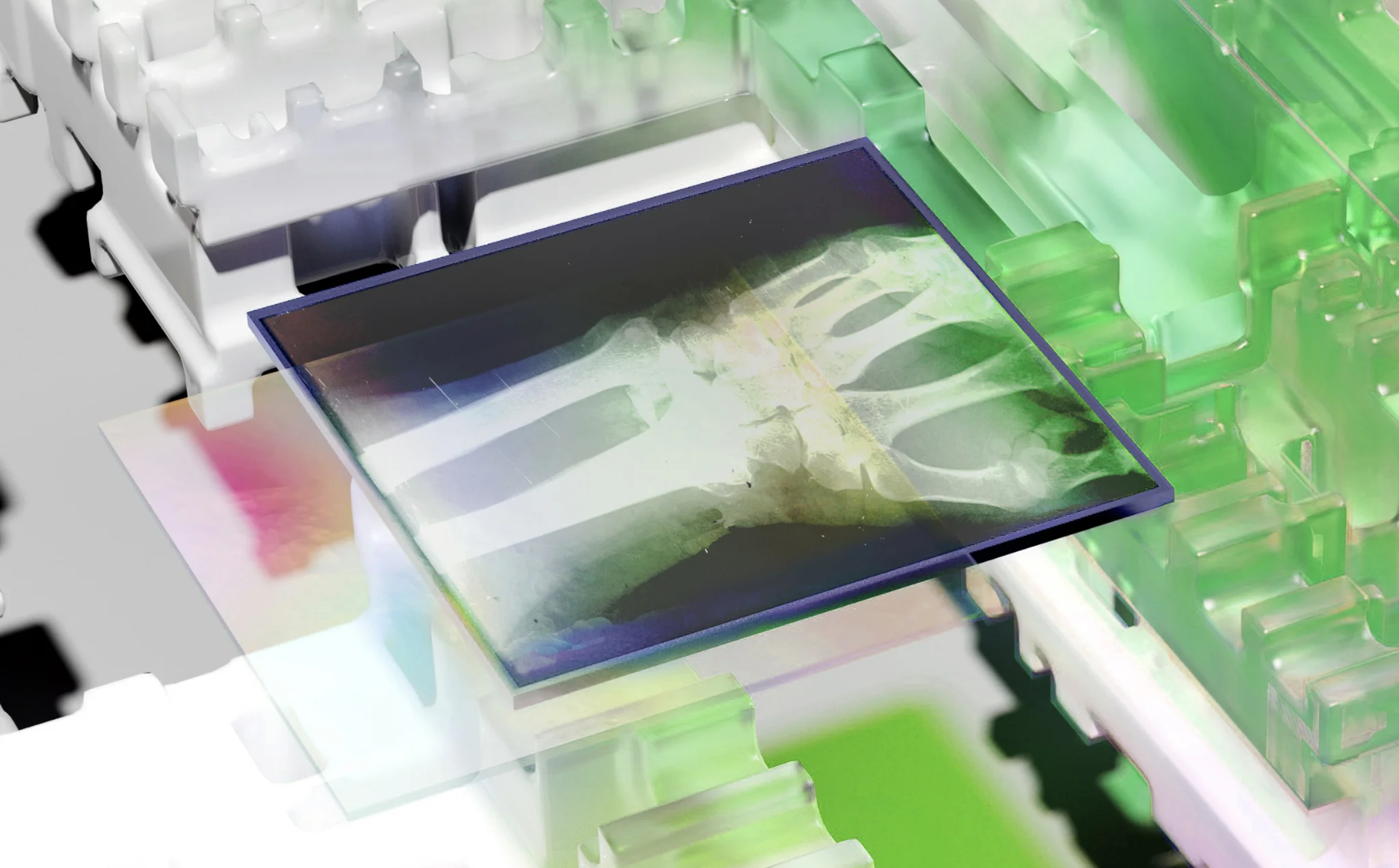
Diverse Applications
Medical imaging software applications
Modern imaging applications extend far beyond basic viewing, delivering sophisticated tools for clinical diagnosis, treatment planning, and patient management.
- Diagnostic imaging software for visualizing and analyzing clinical scans
- Image processing software to enhance clarity, contrast, and structural details
- 3D visualization and reconstruction tools for surgical and anatomical planning
- AI and machine learning integrations for automated pattern and anomaly detection
- Remote imaging solutions for secure data sharing and teleradiology workflows
- Radiation therapy planning systems to target treatment and optimize dosage
- Quantitative analysis applications for measuring tumor growth and tissue density
- Reporting and documentation tools to automate diagnostic summary creation
Technologies powering medical image analysis solutions
Robust technical standards and modern algorithms form the foundation of effective medical imaging software.
Standards such as DICOM ensure seamless compatibility and data synchronization across devices used in radiology, cardiology, and radiotherapy. Advanced image processing techniques, including denoising and contrast enhancement, extract critical information from raw scans.
Furthermore, cloud computing, big data architectures, and emerging augmented reality environments enable secure remote consultations, collaborative research, and immersive anatomical education.
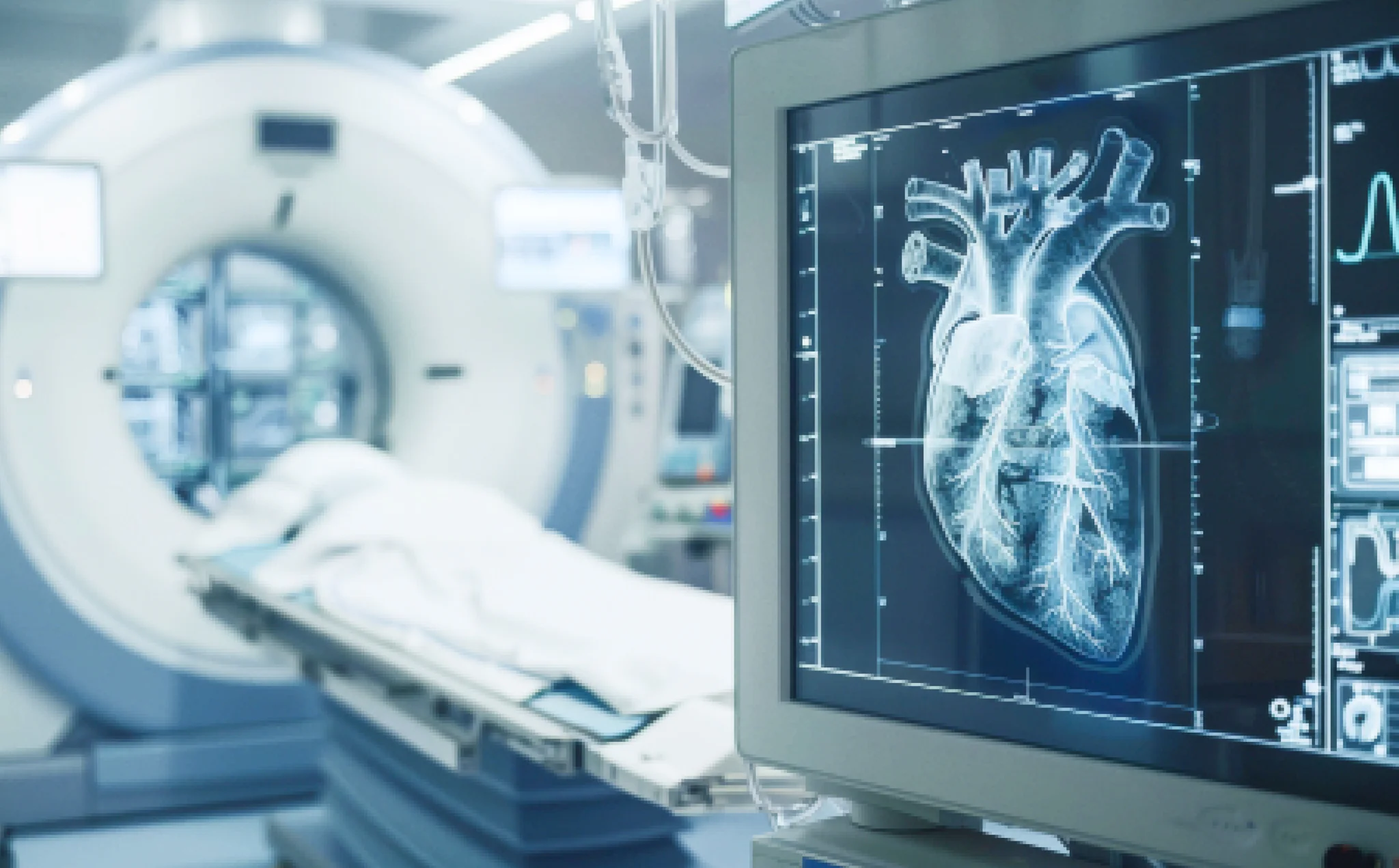
Considering an AI-enabled medical imaging software project?
Bring your product vision, and our engineering team will help design and build secure, compliant medical imaging software tailored to your specific clinical and operational requirements.
AI benefits in medical imaging
Diagnostic accuracy
AI algorithms consistently identify subtle patterns and areas requiring attention, supporting early and precise detection.
Efficiency and speed
Automated analysis processes large volumes of imaging data rapidly, saving valuable time in emergency settings.
Patient experience
Faster diagnoses and personalized treatment plans minimize patient discomfort, anxiety, and unnecessary procedures.
Cost optimization
Enhanced operational efficiency reduces the need for repeat scans and costly, redundant clinical tests.
Predictive analysis
Data analysis helps assess the risk of developing certain conditions, supporting preventative healthcare models.
Regulatory standards and compliance
Medical imaging software, particularly solutions incorporating artificial intelligence or machine learning, must adhere to stringent regulatory frameworks to protect patient safety and ensure clinical efficacy.
| Standard | Scope | Key Focus | Compliance Goal |
|---|---|---|---|
| FDA & IEEE | Healthcare software | Safety and quality | Ensure intended medical purpose |
| 21 CFR Part 820 | Medical devices | Quality system regulation | Design control compliance |
| SaMD Guidelines | Software as a medical device | Risk categorization | Safety and efficacy verification |
| Quality Management | Quality management | Medical device systems | Process consistency |
| Software Life Cycle | Software life cycle | Development processes | Safe software maintenance |
| Data Security | Data security | Patient information | Secure data handling |
FAQs

What standards must medical imaging software meet?
Medical imaging software must comply with relevant medical device regulations, quality management frameworks, data protection rules like HIPAA and GDPR, and interoperability standards such as DICOM.
How does AI improve medical image analysis?
AI models assist clinicians by automating routine image processing, highlighting potential abnormalities, measuring anatomical structures, and predicting disease progression based on historical imaging datasets.
What is DICOM and why is it important?
DICOM (Digital Imaging and Communications in Medicine) is the international standard for transmitting, storing, and receiving medical images. It ensures seamless communication between imaging hardware and software systems.
Can medical imaging software integrate with electronic health records?
Yes, modern medical imaging applications integrate with electronic health record systems and picture archiving and communication systems to streamline clinical workflows and patient documentation.
How do you ensure data security in cloud-based imaging software?
Data security is maintained through end-to-end encryption, strict access controls, secure cloud architectures, and adherence to security policies such as HIPAA guidelines.
What is Software as a Medical Device (SaMD)?
SaMD refers to software intended for medical purposes that operates independently of hardware medical devices. It requires rigorous testing, risk management, and regulatory approval.
get in touch
Let's Start a Conversation
Have a project in mind? We'd love to hear about it. Fill out the form and our team will get back to you within 24 hours.
Address
1563 McClure Woodland ca 95776
John@digitalgrowthlab.org
Phone
+1 7866924887
Response Time
Within 24 hours