
Fintech unicorns
Market Evolution
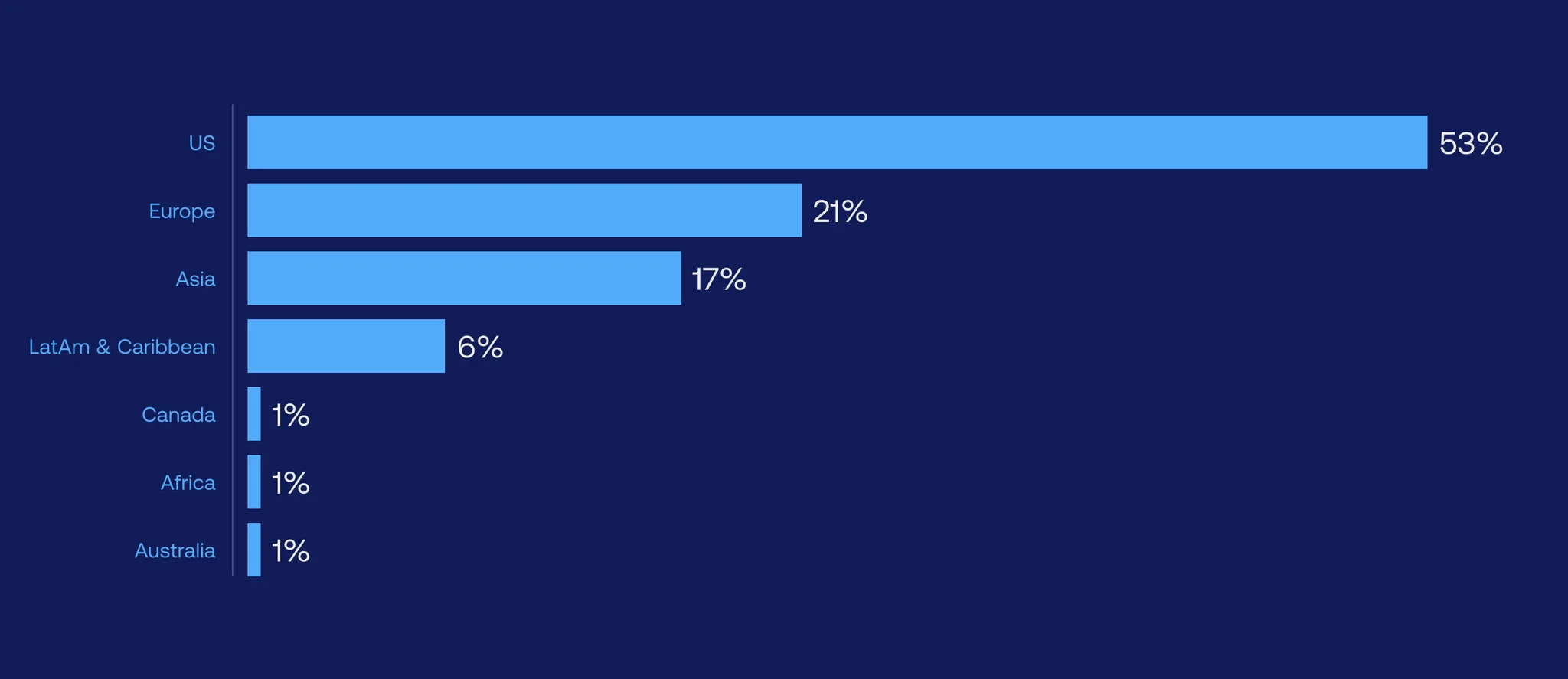
Fintech Unicorns: Facts and Figures
Market conditions have shifted dramatically across the global technology landscape, moving away from hyper-inflated valuations and speculative funding rounds toward a more disciplined and methodical approach to capital deployment.
While macroeconomic pressures and changing investor sentiment have impacted the overall volume of new venture creations, the financial technology sector continues to maintain its position as a primary focal point for enterprise innovation.

Investment Trends
Funding Dynamics for Fintech Startups
Investment patterns in the financial technology domain have experienced notable adjustments as venture capital allocators prioritize sustainable unit economics and proven revenue streams over rapid, uncalculated expansion.
This normalization of expectations has encouraged founders and engineering leaders to focus on core product value, robust security architectures, and long-term viability rather than short-term valuation milestones.
Sector Resilience
Why Fintech Remains a Prime Investment Choice
Despite broader economic contractions, financial technology continues to attract significant interest from institutional backers due to ongoing digital transformation needs.
- Continued demand for modern digital banking solutions and infrastructure
- Widespread adoption of secure online payment and transaction frameworks
- Integration of blockchain and decentralized ledger technologies
- Heightened focus on regulatory compliance and fraud mitigation software

Everything you need to know about current fintech market dynamics
Understanding the shifting expectations of investors helps technology startups align their software development roadmaps with market realities.
The removal of excess liquidity from private markets has led to a healthier correction in startup valuations. Rather than chasing speculative trends, investors now look for companies that demonstrate operational efficiency, scalable architectures, and clear paths to profitability.
As the ecosystem matures, software engineering teams must build resilient, cloud-native solutions that can adapt to changing regulatory requirements and high transaction volumes without compromising security.

A Return to Disciplined Engineering and Investment
The current economic environment emphasizes methodical growth over reckless expansion. Building successful fintech applications requires deep domain expertise, stringent data protection protocols, and robust technical foundations that instil confidence in both users and enterprise stakeholders.
Key Focus Areas in Fintech Software Development
Digital Banking
Building scalable core banking platforms that support modern user experiences and seamless third-party API integrations.
Payment Gateways
Developing high-throughput transaction processing systems with low latency and advanced fraud detection mechanisms.
Blockchain & Crypto
Engineering secure distributed ledger applications, smart contracts, and tokenization platforms for enterprise use.
Regulatory Tech
Automating compliance, identity verification, and risk management workflows to meet evolving global standards.
WealthTech
Creating intuitive investment and portfolio management software designed for retail and institutional investors.
Fintech Subdomain Comparison
An overview of how different technology domains within the financial sector compare across core development and operational vectors.
| Fintech Subdomain | Primary Focus | Key Technology | Market Demand |
|---|---|---|---|
| Payments | Transaction processing | APIs and gateways | High volume |
| Banking | Core infrastructure | Cloud microservices | Steady growth |
| Blockchain | Decentralized ledgers | Smart contracts | Specialized |
| RegTech | Compliance automation | AI analytics | Rising priority |
FAQs

How have recent market changes affected fintech software development?
Investors and founders now prioritize sustainable unit economics and proven revenue models over rapid, speculative expansion. This shifts development priorities toward robust, scalable, and cost-effective software architectures that deliver immediate business value.
Which fintech subdomains currently attract the most investment interest?
Payments, banking infrastructure, and blockchain-related projects consistently capture significant shares of venture capital due to their essential role in modern financial ecosystems and digital commerce.
What role does compliance play in modern fintech engineering?
Regulatory compliance is foundational. Fintech software must incorporate robust security protocols, data privacy standards, and automated auditing tools from inception to navigate complex global regulatory landscapes successfully.
Why is cloud migration critical for financial technology platforms?
Cloud-native architectures provide the scalability, elasticity, and high availability required to handle unpredictable transaction volumes while maintaining strict security and disaster recovery standards.
How do technology partners accelerate fintech product delivery?
Experienced technology consultants and software developers bring specialized domain knowledge, pre-built integration frameworks, and rigorous quality assurance processes that help teams bring secure products to market faster.
What differentiates successful fintech applications from others?
Successful applications combine seamless user experience with uncompromising security, reliable backend infrastructure, and the flexibility to adapt quickly to changing market demands and regulatory updates.
get in touch
Let's Start a Conversation
Have a project in mind? We'd love to hear about it. Fill out the form and our team will get back to you within 24 hours.
Address
1563 McClure Woodland ca 95776
John@digitalgrowthlab.org
Phone
+1 7866924887
Response Time
Within 24 hours